
GEPP Co-hosted an International Seminar on “Political and Comparative Analysis of Education”
 gepp1
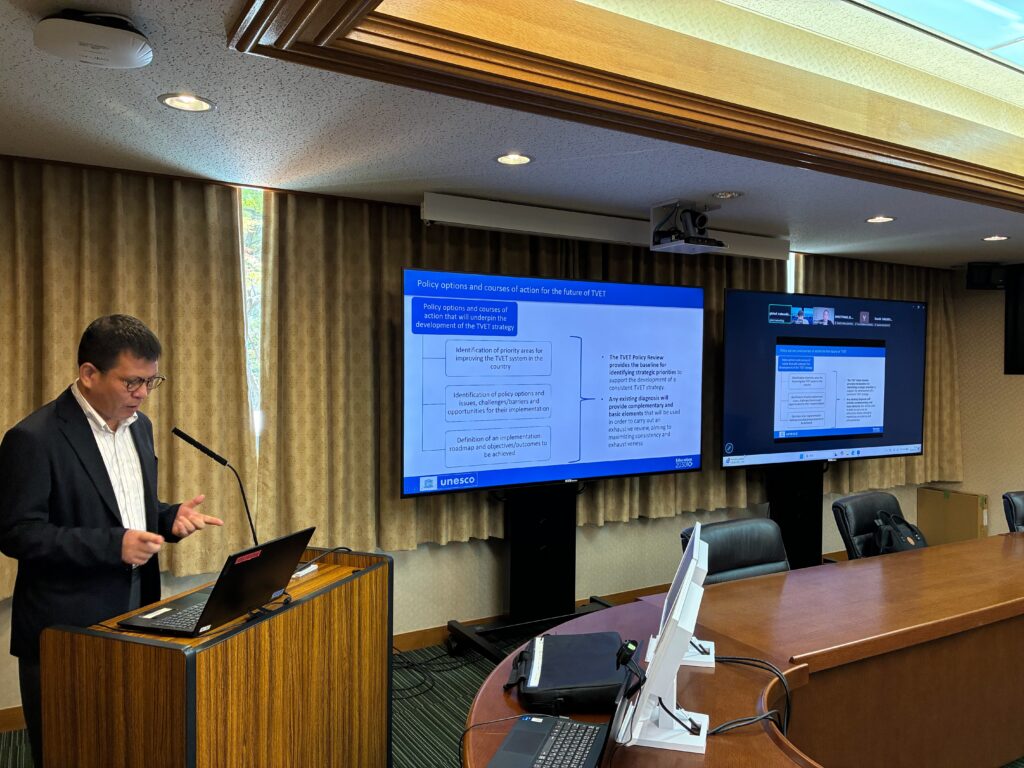
gepp1On August 21, 2026, the International Seminar on Global Governance for Human Security was held under the theme “Political and Comparative Analysis of Education.” The seminar was conducted in a hybrid format at the Main Conference Room of the Graduate School of International Cooperation Studies (GSICS), Kobe University, and via Zoom. It was co-organized by the Global Research Center for Education Policy and Planning (GEPP), the Kobe University UNESCO Chair, the Global Network Program, and the CAMPUS Asia Plus Program.
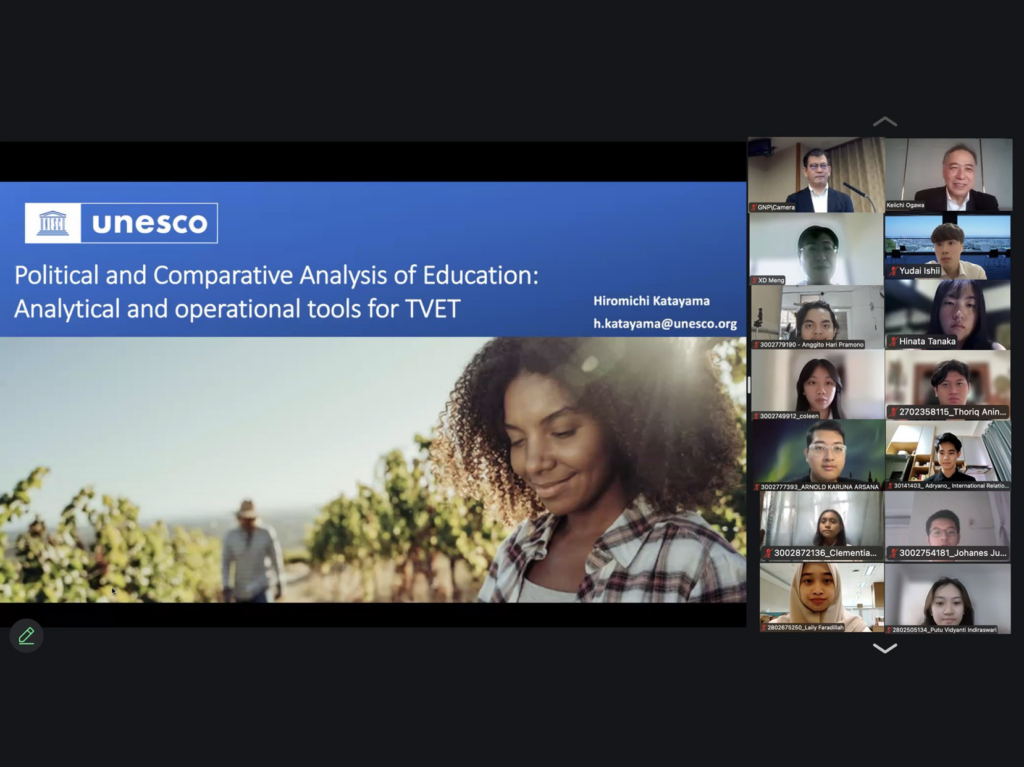
The seminar featured two invited speakers: Dr. Hiromichi Katayama, Programme Specialist in the Education Sector at the UNESCO Jakarta Regional Office, and Dr. Sheena Bell, Postdoctoral Fellow at the Ontario Institute for Studies in Education (OISE), University of Toronto, Canada. Dr. Katayama delivered the first presentation, titled “Political and Comparative Analysis of Education: Analytical and Operational Tools for TVET,” introducing policy and operational frameworks for analyzing technical and vocational education and training (TVET) systems. Drawing on the UNESCO Strategy for TVET 2022–2029, he highlighted the role of TVET in individual fulfillment, sustainable economies, and social justice, as well as the importance of examining national systems in relation to their socio-economic contexts, quality, governance, and financing. He also introduced UNESCO’s approaches to TVET Policy Review, Policy Development, and Policy Implementation Planning, covering the process from diagnosis and strategy development to implementation.
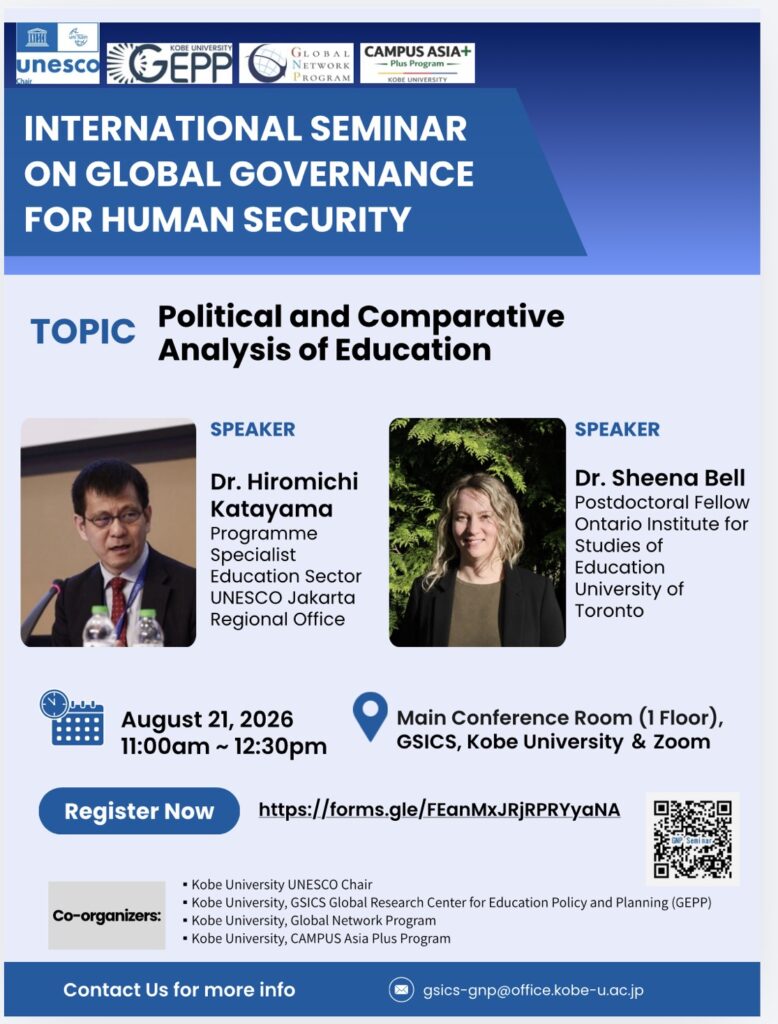
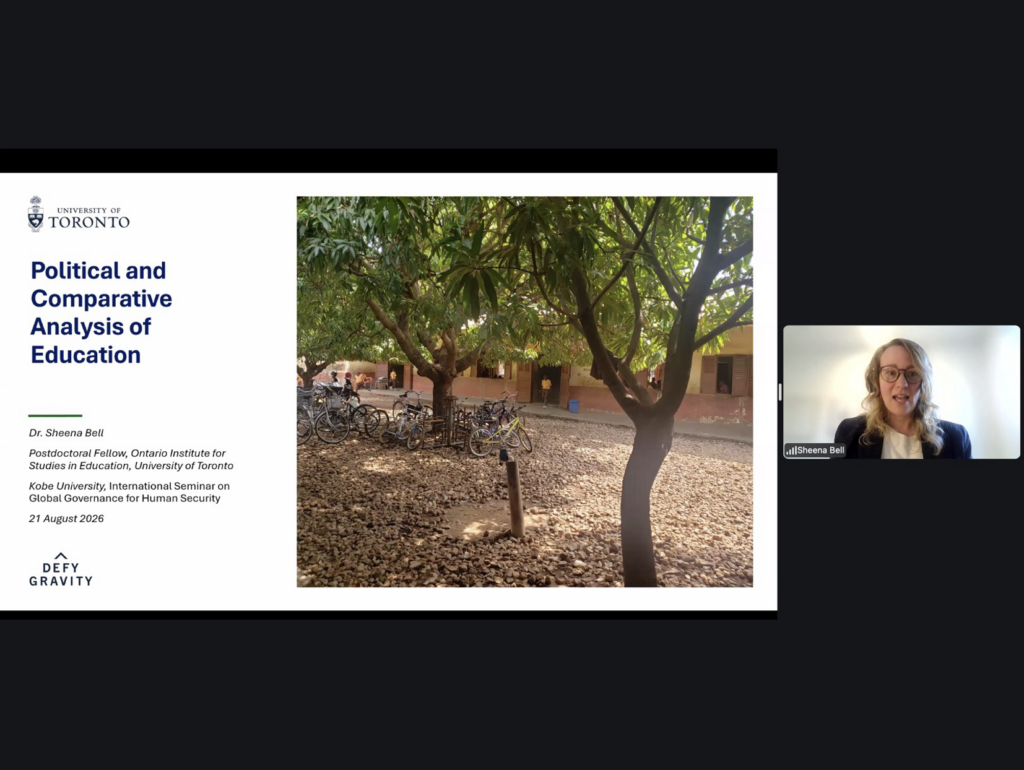
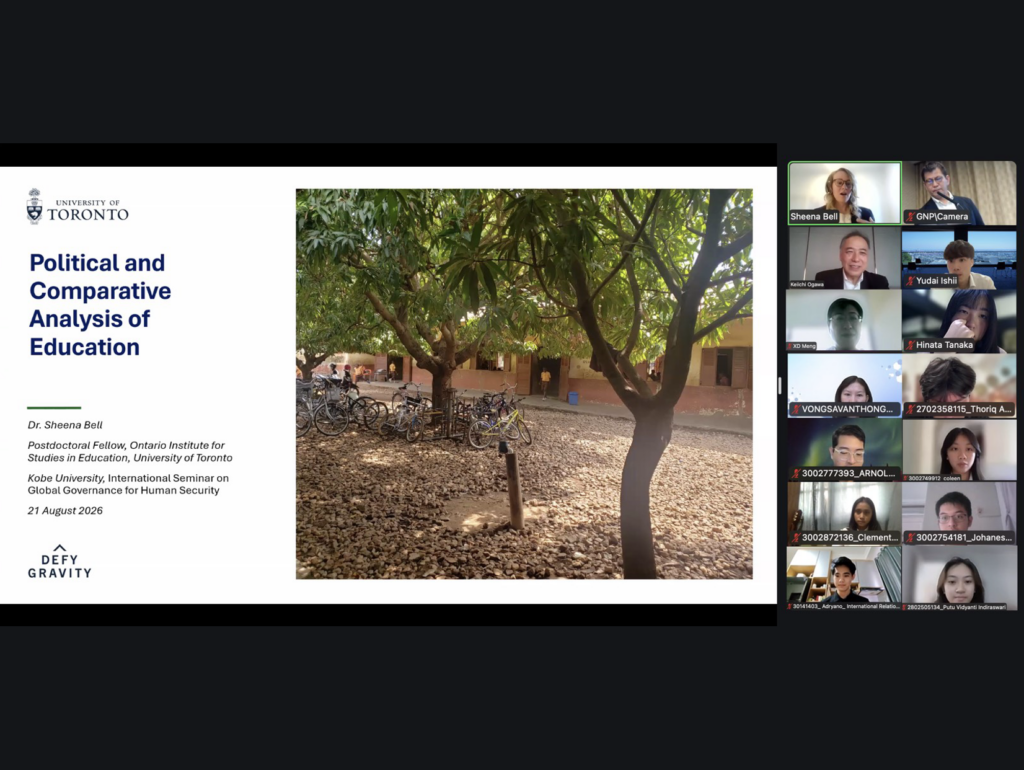
Dr. Bell then introduced political approaches to education policy adoption and implementation, drawing on her research on district education offices in Ghana. She emphasized that policymaking and implementation are political processes shaped by resource allocation, competing interests, and power relations. Focusing on the “middle tier” between national authorities and schools, she used examples such as teacher allocation to illustrate how formal rules and policies can be implemented differently depending on local conditions, political relationships, authority, and resources. Her presentation highlighted the importance of examining education policy not only from a technical perspective but also through the political and institutional factors that shape its implementation.
A total of 296 students and faculty members participated in the seminar, comprising 16 in person and 280 online. During the question-and-answer session, participants actively exchanged views on how to identify and estimate the skills demanded by labor markets in international comparative analysis, how partnerships among governments, international organizations, the private sector, and other stakeholders can be developed and analyzed in TVET policy processes, and how political and institutional factors should be incorporated into the analysis of education policy implementation. The seminar provided a valuable opportunity to deepen participants’ understanding of the importance of comparing education policies within their specific socio-economic and institutional contexts. It also underlined the value of examining the processes of policy development and implementation not only from a technical perspective but also through the relationships among diverse actors and the political and institutional dynamics that shape them.