
GEPP Co-hosted an International Seminar on "Does English Proficiency matter for growth in non-native English Speaking LDCs?"
 gepp4
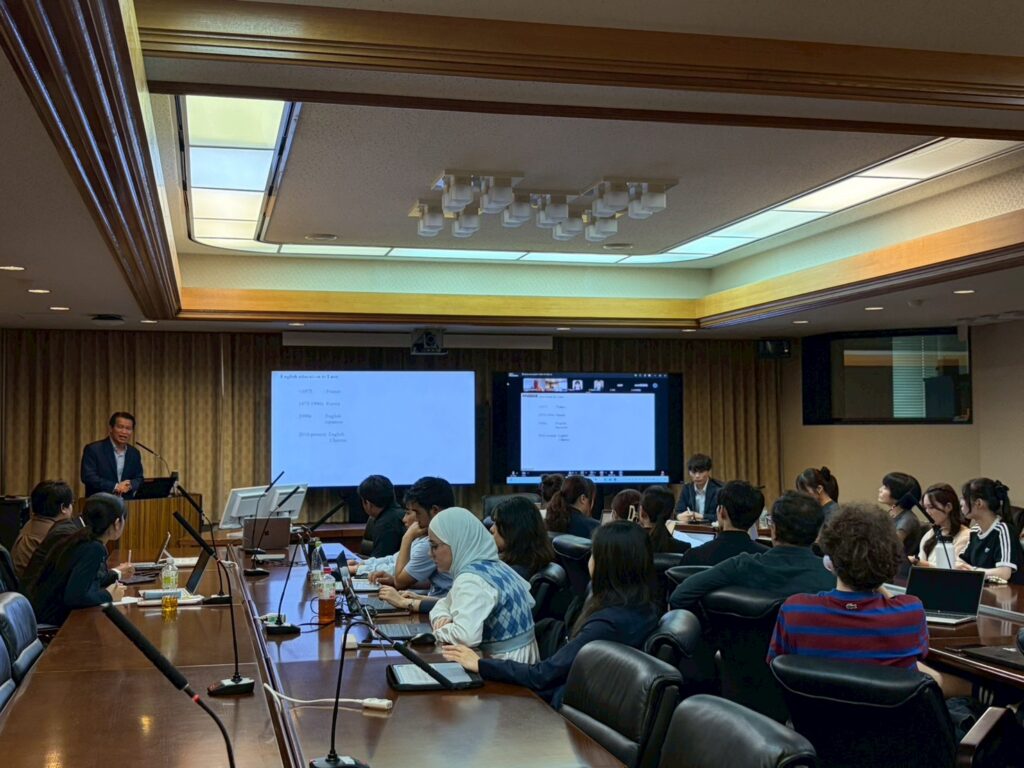
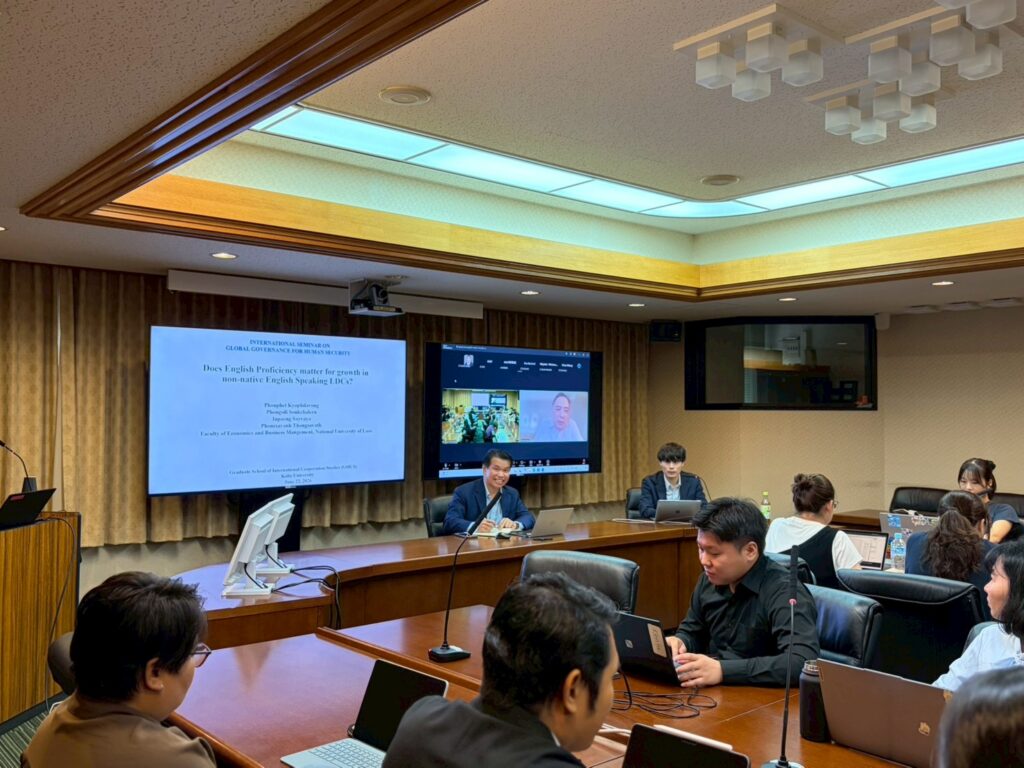
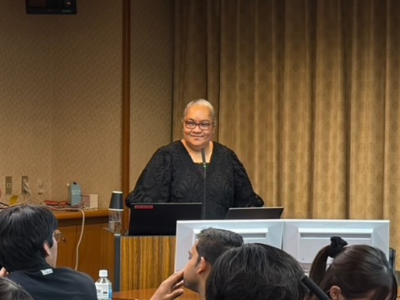
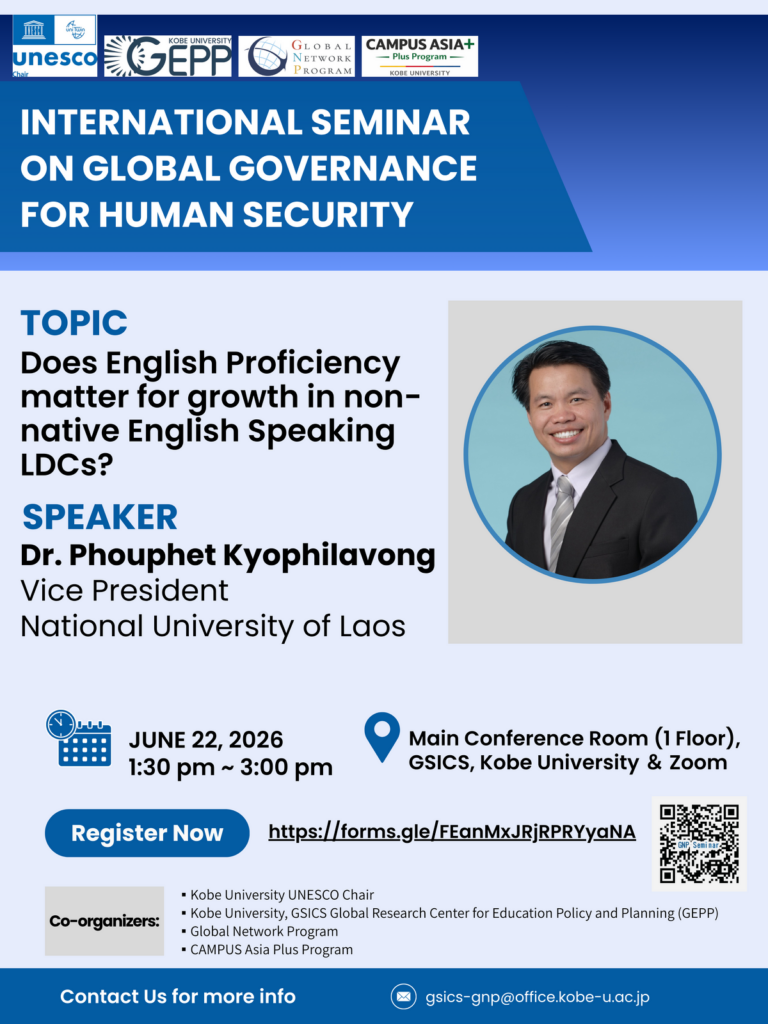
gepp4On June 22, 2026, an International Seminar on Global Governance for Does English Proficiency matter for growth in non-native English Speaking LDCs?” was held. The seminar was co-organized by Kobe University’s UNESCO Chair, the Global Research Center for Education Policy and Planning (GEPP) at the Graduate School of International Cooperation Studies, Kobe University, the Global Network Program, and the CAMPUS Asia Plus Program, and was conducted in a hybrid format.
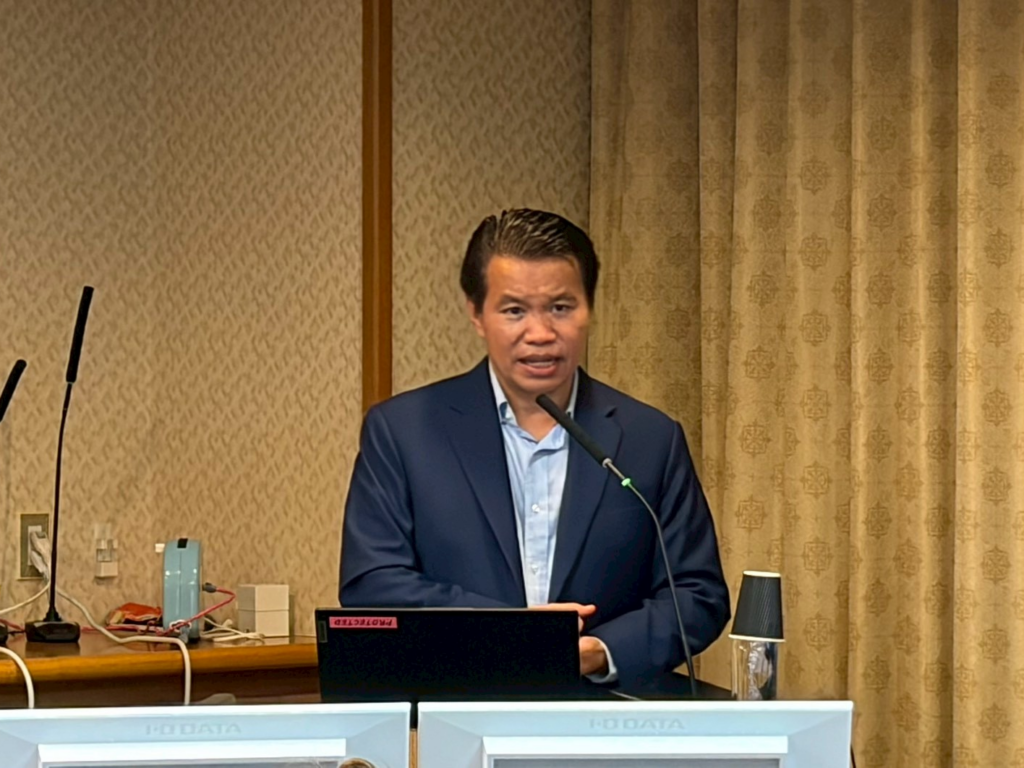
The seminar welcomed Dr. Phouphet Kyophilavong, Vice President of the National University of Laos and Professor at the Faculty of Economics and Business Management. Dr. Kyophilavong gave a lecture on how English proficiency affects economic growth in non-native English-speaking Least Developed Countries (LDCs). In his lecture, he explained that English proficiency is an important factor not only in expanding international collaboration and access to information, knowledge, and technology, but also in relation to employment opportunities, income, international trade, and foreign direct investment (FDI). He also discussed the development of English education in Laos and compared English education policies in Laos and Vietnam, highlighting the importance of national strategies, assessment systems, teacher training, and sustained policy implementation. Furthermore, based on an analysis of 12 non-native English-speaking LDCs, he demonstrated the possibility that English proficiency can support economic growth.
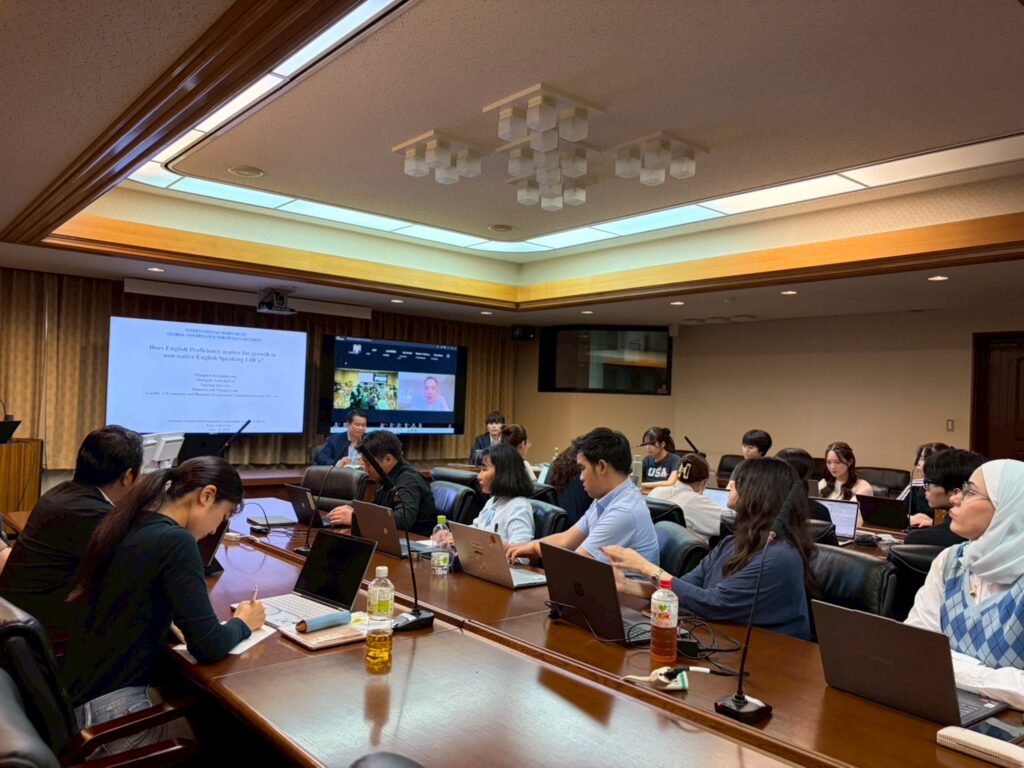
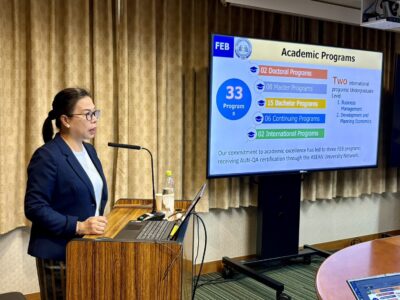
A total of 64 students, faculty, and staff members participated in the seminar, with 24 attending in person and 40 joining online. During the Q&A session, participants actively exchanged views on various topics, including the need for standardized English proficiency tests in Laos, the financial burden of English tests required for overseas study and international education or employment opportunities, the development of university-level support systems, the improvement of teachers’ English proficiency, and the expansion of international programs. Participants also discussed how the significance of English learning may change with the advancement of AI. While AI can help make English learning more effective, the discussion highlighted that English proficiency remains important for independently accessing information and knowledge. The seminar provided a valuable opportunity to consider English proficiency not merely as a language skill, but as an important factor connecting education policy, human capital development, international cooperation, and economic growth.