
GEPP Co-hosted an International Seminar on “The Emergence of the Lancang Mekong Cooperation and Its Impacts on the Mekong River Basin”
 gepp3
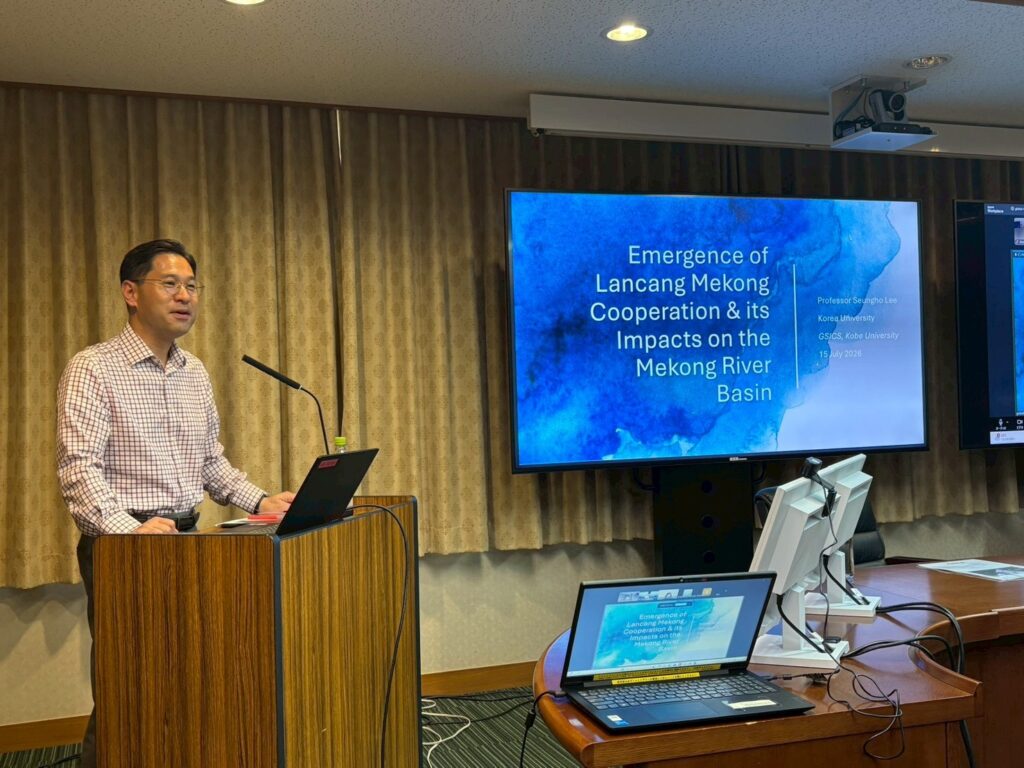
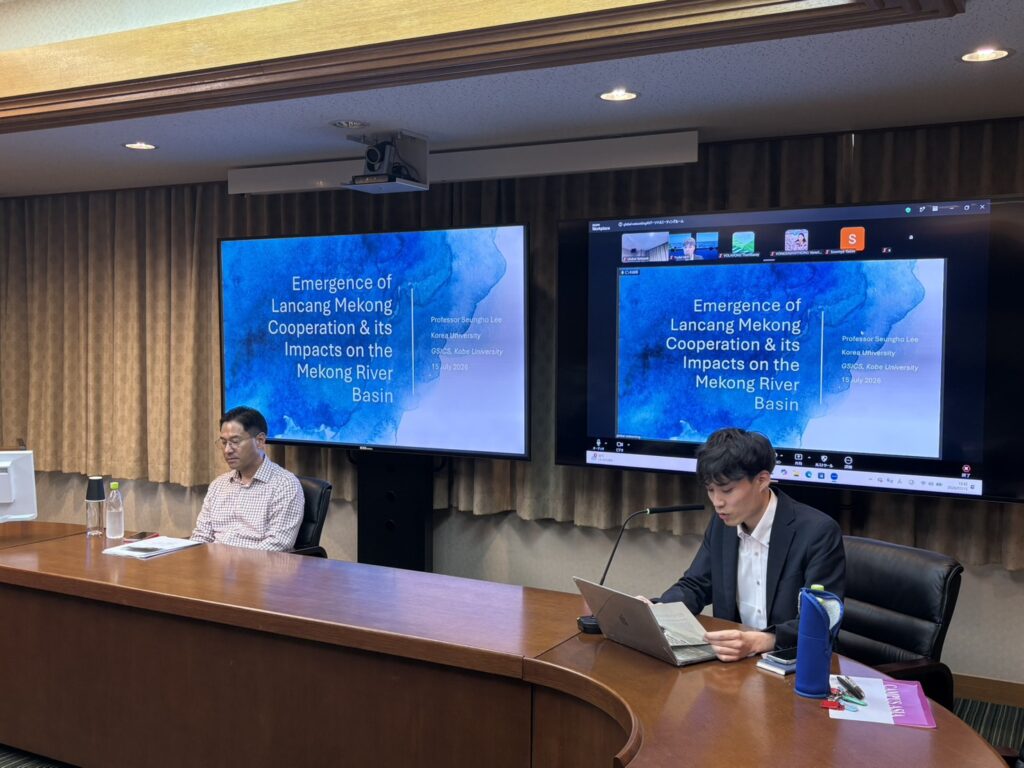
gepp3On July 15, 2026, an International Seminar on Global Governance for Human Security titled “The Emergence of the Lancang Mekong Cooperation and Its Impacts on the Mekong River Basin” was held. The seminar was co-organized by Kobe University’s UNESCO Chair, the Global Research Center for Education Policy and Planning (GEPP) at the Graduate School of International Cooperation Studies, Kobe University, the Global Network Program, and the CAMPUS Asia Plus Program, and was conducted in a hybrid format.
The seminar welcomed Dr. Seungho Lee, Professor, Korea University; Dean of the Graduate School of International Studies and the College of International Studies. Using water diplomacy as an analytical framework, he examined how the relationship between China and the Lower Mekong countries had changed around 2015, when China established the Lancang Mekong Cooperation (LMC). In the Mekong River Basin, which spans a catchment area of 795,000 km² and is home to more than 70 million people, Chinese dams built upstream have raised concerns over downstream livelihoods and ecosystems. At the same time, concrete data showed how the LMC—built around three pillars (political and security issues; social and cultural exchanges; and economic development) and five priority areas—has emerged as a framework that rivals, or in some respects replaces, the Mekong River Commission. While achievements such as financial support through the LMC Special Fund and the Belt and Road Initiative, and progress in hydrological data sharing following the 2019 drought, were introduced, the talk also touched on challenges including limits to data sharing and overlapping roles with existing frameworks, as well as criticism that this amounts to "dressing up domination as cooperation."
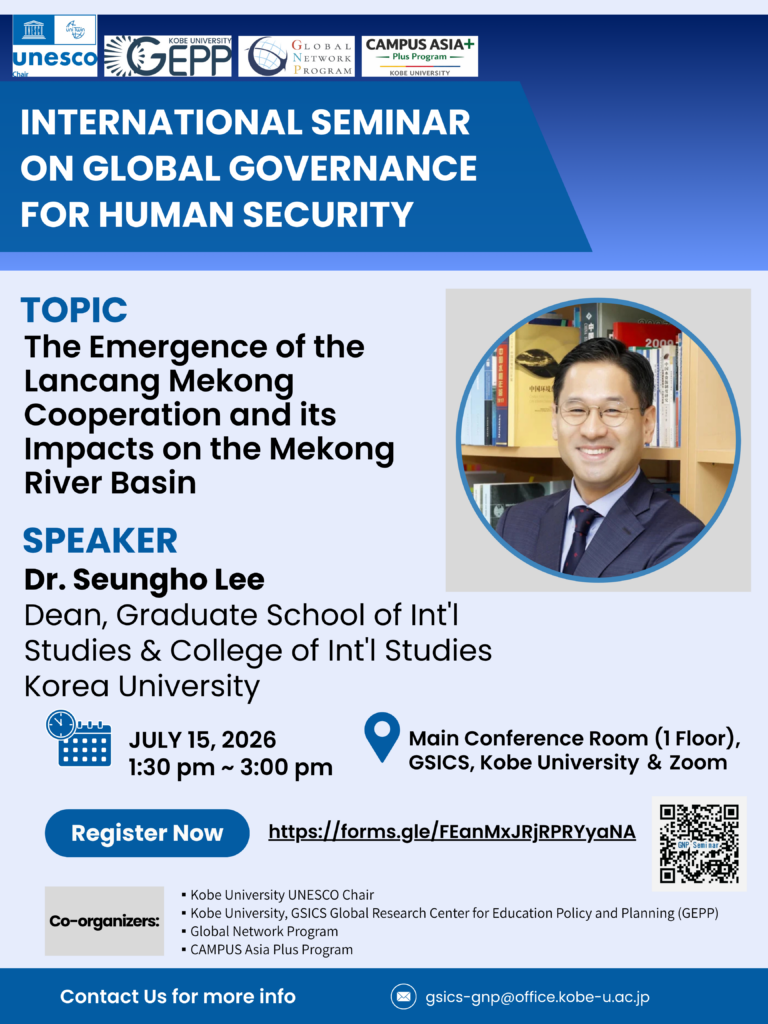
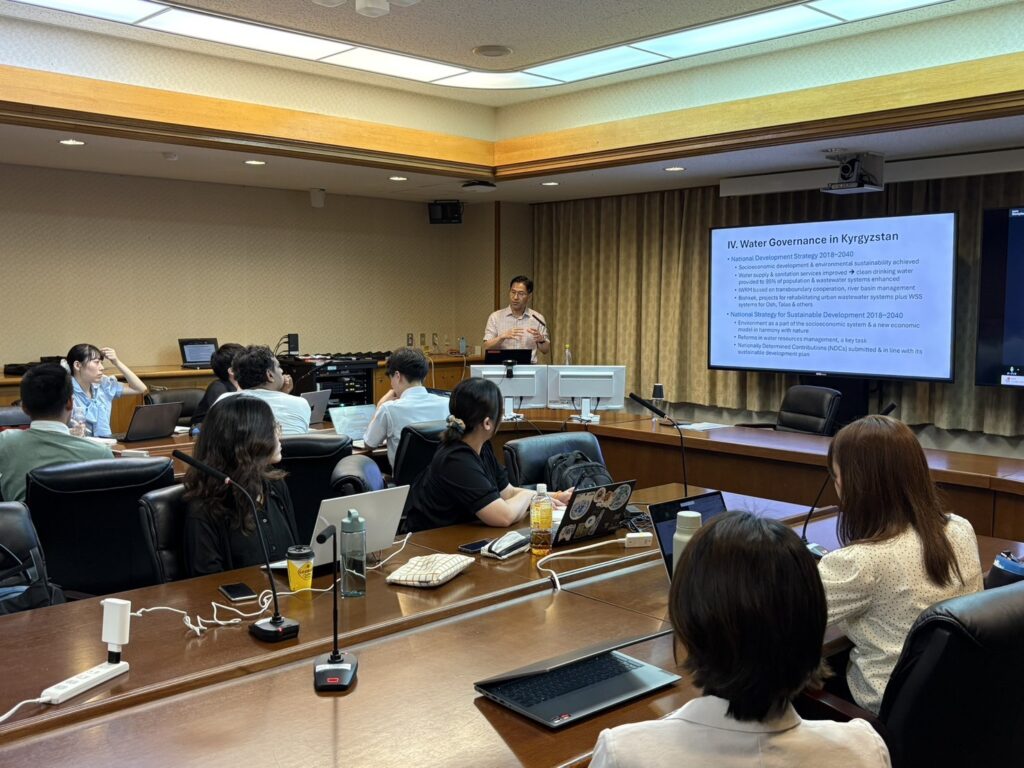
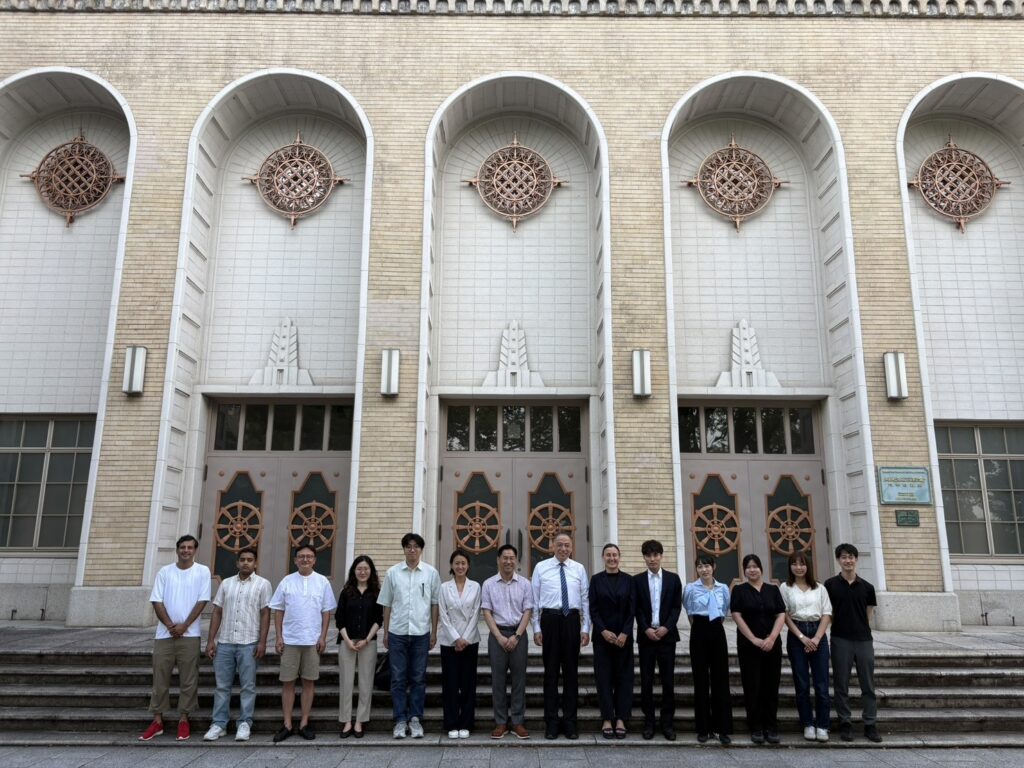
A total of 23 students, faculty, and staff members participated in the seminar, with 16 attending in person and 7 joining online. The Q&A session featured active discussion on theoretical questions about how flexibly the water diplomacy framework can be applied across cooperation mechanisms of different scales, on the differences and distinctive features between the LMC and other cooperation frameworks, on India's role and involvement, as well as questions on hydropower development in Laos and on human resource development in Myanmar. The seminar offered a valuable opportunity to understand water diplomacy in the Mekong River Basin and to reflect on how transboundary water resources management will continue to evolve.